
తల్లిదండ్రులు ఉన్నత ఉద్యోగులైతే పిల్లలకు రిజర్వేషన్ ఎందుకు? సుప్రీంకోర్టు సూటి ప్రశ్న!
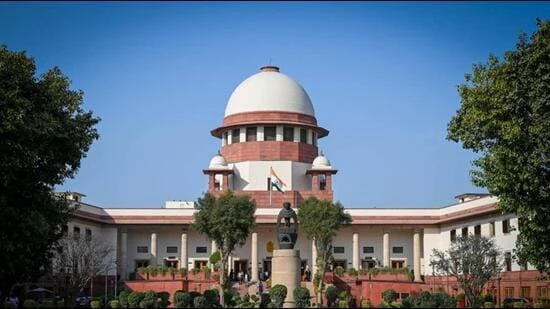
SUPREME COURT
రిజర్వేషన్ల ద్వారా విద్య, ఆర్థిక పరమైన పురోగతి సాధించిన కుటుంబాలకు చెందిన పిల్లలు మళ్లీ OBC Creamy Layer Reservations ఫలాలను కోరడంలో ఉన్న ఔచిత్యాన్ని సుప్రీంకోర్టు తీవ్రంగా ప్రశ్నించింది. పరిస్థితులు ఇలాగే కొనసాగితే రిజర్వేషన్ల వ్యవస్థ నుంచి దేశం ఎన్నటికీ బయటపడలేదని న్యాయస్థానం ఆందోళన వ్యక్తం చేసింది. “తల్లిదండ్రులిద్దరూ ఐఏఎస్ అధికారులైతే.. వారి పిల్లలకు రిజర్వేషన్ ఎందుకు? విద్య, ఆర్థిక సాధికారతతో వారు సమాజంలో ఉన్నత హోదా (సోషల్ మొబిలిటీ) సాధించారు. మళ్లీ వారి పిల్లలు కూడా రిజర్వేషన్లు కోరితే ఈ లూప్ నుంచి మనం ఎప్పటికీ బయటపడలేం” అని జస్టిస్ బి.వి. నాగరత్న, జస్టిస్ ఉజ్జల్ భుయాన్లతో కూడిన ధర్మాసనం వ్యాఖ్యానించింది.
తల్లిదండ్రులిద్దరూ కర్ణాటక ప్రభుత్వ ఉద్యోగులు కావడం, క్రీమీలేయర్ పరిమితి కంటే ఎక్కువ ఆదాయం ఉండటంతో ఒక అభ్యర్థికి రిజర్వేషన్ నిరాకరించారు. దీన్ని సవాలు చేస్తూ దాఖలైన పిటిషన్పై శుక్రవారం సుప్రీంకోర్టులో విచారణ జరిగింది. ఈ సందర్భంగా న్యాయమూర్తి స్పందిస్తూ, రిజర్వేషన్ల ద్వారా ఒక తరం చదువుకుని, మంచి ఉద్యోగాలు సంపాదించి, ఆర్థికంగా స్థిరపడిన తర్వాత కూడా వారి పిల్లలు మళ్లీ అదే ప్రయోజనాన్ని ఆశించడం ఆందోళనకరమని పేర్కొన్నారు. ఇలాంటి ధోరణికి ఎక్కడో ఒకచోట ముగింపు పలకాలని, అప్పుడే నిజమైన వెనుకబడిన వర్గాలకు న్యాయం జరుగుతుందని అభిప్రాయపడ్డారు.
సామాజిక హోదా మెరుగైనప్పుడు సమతుల్యత అవసరం
కుటుంబాలు సామాజికంగా, ఆర్థికంగా పురోగతి సాధించినప్పటికీ రిజర్వేషన్ ఫలాలు తరతరాలుగా కొనసాగడంపై జస్టిస్ నాగరత్న పదేపదే అసంతృప్తి వ్యక్తం చేశారు. ఆర్థిక, విద్యాపరమైన సాధికారత లభించినప్పుడు ఆటోమేటిక్గా సామాజిక హోదా మెరుగవుతుందని ఆమె గుర్తుచేశారు. ఆర్థికంగా బలహీన వర్గాల (EWS) రిజర్వేషన్లను ప్రస్తావిస్తూ.. అక్కడ సామాజిక వెనుకబాటుతనం ఉండదని, కేవలం ఆర్థిక వెనుకబాటుతనం మాత్రమే ఉంటుందని, కాబట్టి ఈ రెండింటి మధ్య కొంత సమతుల్యత అవసరమని స్పష్టం చేశారు. తల్లిదండ్రులు ఒక స్థాయికి వచ్చాక కూడా పిల్లలకు రిజర్వేషన్ మినహాయింపులను ప్రశ్నించడం హేతుబద్ధం కాదని ధర్మాసనం తేల్చిచెప్పింది.
ఈ కేసు నేపథ్యాన్ని పరిశీలిస్తే.. కర్ణాటకలో కురుబ సామాజిక వర్గం బీసీ కేటగిరీ-2(ఎ) కిందకు వస్తుంది. ఈ వర్గానికి చెందిన ఒక అభ్యర్థి కర్ణాటక పవర్ ట్రాన్స్మిషన్ కార్పొరేషన్ లిమిటెడ్ (KPTCL)లో అసిస్టెంట్ ఇంజినీర్ ఉద్యోగానికి ఎంపికయ్యాడు. అయితే అతని తల్లిదండ్రులు ప్రభుత్వ ఉద్యోగులు కావడం, వారి వార్షిక ఆదాయం రూ. 19.48 లక్షలుగా ఉండటంతో అధికారులు అతనికి కుల చెల్లుబాటు ధ్రువపత్రాన్ని నిరాకరించారు. దీనిపై సదరు అభ్యర్థి హైకోర్టును ఆశ్రయించగా.. సింగిల్ బెంచ్ అతనికి అనుకూలంగా, డివిజన్ బెంచ్ వ్యతిరేకంగా తీర్పునిచ్చాయి. చివరకు ఈ వివాదం సుప్రీంకోర్టుకు చేరడంతో ఈ కీలక వ్యాఖ్యలు వెలువడ్డాయి.
OBC Creamy Layer Reservations : Why Reservations for Kids of IAS Parents? Supreme Court Asks
The Supreme Court has raised significant concerns over families seeking OBC Creamy Layer Reservations benefits even after achieving educational and financial progress. A bench comprising Justice B.V. Nagarathna and Justice Ujjal Bhuyan noted that if this trend continues, the country can never move past the reservation system. “If both parents are IAS officers, why do their children need reservations? They have already achieved social mobility through financial empowerment. If their children also demand it, we will never get out of this,” Justice Nagarathna remarked during the hearing on Friday.
The apex court was hearing a petition filed by a candidate whose caste validity certificate was rejected by Karnataka authorities based on the creamy layer criteria, as both his parents were government employees. The bench expressed worry that despite parents securing good jobs and substantial incomes through reservations, the next generation continues to claim the same benefits. The court emphasized that families must learn to step away from reservation benefits once they reach a certain socioeconomic status.
Balancing Social Status and Affirmative Action
Justice Nagarathna repeatedly highlighted that educational and economic empowerment naturally elevates a family’s social standing. Touching upon the Economically Weaker Sections (EWS) quota, the court observed that EWS only deals with financial backwardness without social stigma, and thus a balance must be maintained. The court questioned the logic behind questioning the exclusion of affluent families from backward class benefits, stating that once parents reach a stable position, the benefits should ideally pass on to the more marginalized.
The background of the case involves a candidate from the Kuruba community, classified under BC Category-2(A) in Karnataka, who was selected as an Assistant Engineer in KPTCL. However, as his parents were well-placed government employees with an annual income of Rs 19.48 Lakhs, officials denied him the quota certificate under the creamy layer rule. While a single bench of the High Court ruled in his favor, a division bench overturned it, leading the petitioner to approach the Supreme Court.
Hashtags
#OBCCreamyLayerReservations #SupremeCourt #JusticeBVNagarathna #ReservationSystem #IndianJudiciary #SocialMobility #KarnatakaNews #KPTCL #AffirmativeAction #LegalNews

Doctorate in Journalism with 29 years of hands-on experience in print, electronic, and digital media, alongside sustained academic engagement as a postgraduate instructor in journalism and communication studies.