
సమోసా మన వంటకం కాదా? ‘History of Samosa’ గురించి తెలిస్తే షాక్ అవుతారు!
SAMOSA
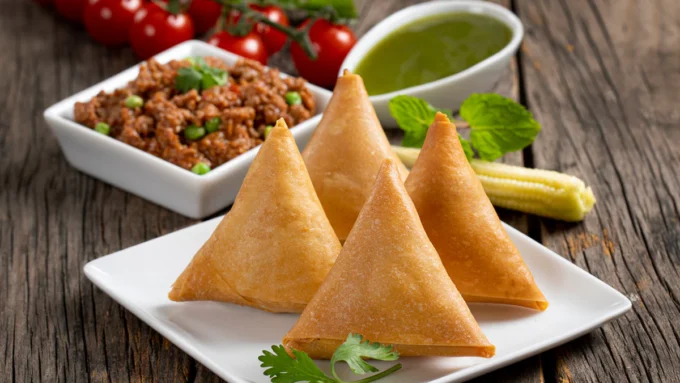
మధ్యాహ్నం టీతో పాటు వేడి వేడి సమోసా ఉంటే ఆ మజానే వేరు. సామాన్యుడి నుండి సంపన్నుడి వరకు అందరూ ఇష్టపడే ఈ చిరుతిండి గురించి ఒక ఆసక్తికరమైన నిజం నెట్టింట వైరల్ అవుతోంది. అదేంటంటే, మనం ఎంతో ఇష్టంగా తినే ఈ సమోసా మన భారతీయ వంటకం కాదు. దీని మూలాలు పర్షియా (నేటి ఇరాన్) లో ఉన్నాయని చరిత్రకారులు చెబుతున్నారు. History of Samosa పరిశీలిస్తే, ఇది వలస వచ్చి మన దేశంలో స్థిరపడిన రాజరికపు వంటకం అని అర్థమవుతుంది.
HEALTH: వేసవి తాపానికి కర్బూజ చెక్ ఈ వార్తను కూడా చదవండి
పరిశోధకుడు డాక్టర్ ఎంఎఫ్ ఖాన్ సోషల్ మీడియా పోస్ట్ ప్రకారం, 1500ల కాలం నాటి పర్షియన్ తాళపత్ర గ్రంథాలలో ఈ వంటకం ప్రస్తావన ఉంది. అప్పట్లో దీనిని ‘సంబోసా’ అని పిలిచేవారు. అయితే నాటి సమోసాకు, నేటి సమోసాకు చాలా తేడాలు ఉన్నాయి. అప్పట్లో కాల్చిన వంకాయ గుజ్జు, ఎండు అల్లం, మరియు గొర్రె మాంసం (Mince meat) స్టఫింగ్గా ఉపయోగించేవారు. మొఘల్ చక్రవర్తి అక్బర్, టిప్పు సుల్తాన్ కాలం నాటి ప్రయాణాల ద్వారా ఇది భారతదేశానికి చేరుకుంది. కాలక్రమేణా మన దేశంలో బంగాళదుంపలు, ఉల్లిపాయలు స్టఫింగ్గా మారి నేటి రూపంలోకి వచ్చింది.
రుచి అద్భుతం.. కానీ ఆరోగ్యం సంగతేంటి?
సమోసా రుచి పరంగా అద్భుతంగా ఉన్నప్పటికీ, ఆరోగ్య నిపుణులు దీని విషయంలో కొన్ని హెచ్చరికలు చేస్తున్నారు. History of Samosa లో ఇది ఒకప్పుడు మాంసాహార విందుగా ఉన్నా, ప్రస్తుతం డీప్ ఫ్రైడ్ స్నాక్గా మారింది. ఒక సగటు సమోసాలో సుమారు 11 నుండి 12 గ్రాముల నూనె ఉంటుంది. వీటిని అతిగా తీసుకోవడం వల్ల ఊబకాయం, మధుమేహం మరియు గుండె సంబంధిత సమస్యలు తలెత్తే అవకాశం ఉందని వైద్యులు హెచ్చరిస్తున్నారు. కాబట్టి ఈ ‘పర్షియన్ స్నాక్’ను మితంగా ఆస్వాదించడమే ఉత్తమం!
HEALTH: వేసవి తాపానికి కర్బూజ చెక్ ఈ వార్తను కూడా చదవండి
News Article (English)
The Samosa is undoubtedly India’s most iconic street snack, but surprisingly, it is not of Indian origin. The fascinating History of Samosa reveals that this triangular delight travelled thousands of miles from Central Asia and Persia (modern-day Iran) to become a household name in India. Recently, historical researchers pointed out that ancient Persian manuscripts from the early 1500s describe a dish called ‘Sambosa,’ which eventually evolved into the Samosa we love today.
HEALTH: వేసవి తాపానికి కర్బూజ చెక్ Also Read This Article
Historically, the original Samosa was quite different from the contemporary potato-filled version. Ancient recipes involved stuffing the pastry with minced meat (lamb), dry ginger, and roasted eggplant pulp. It is believed that the snack arrived in the Indian subcontinent through royal kitchens and traders during the reigns of the Mughals and rulers like Tipu Sultan. Over centuries, Indian culinary experts adapted the recipe, replacing meat with spicy potato and onion fillings to suit local tastes.
A Culinary Icon with a Health Warning
While the History of Samosa showcases its royal journey, modern health experts advise caution. Today’s Samosas are deep-fried and contain significant amounts of oil—roughly 11 to 12 grams per piece. Frequent consumption of such oil-rich snacks can lead to health complications like obesity, heart disease, and diabetes. While it remains a beloved snack paired with evening tea, moderation is key to enjoying this historic migrant dish without compromising on health.
#HistoryOfSamosa #SamosaOrigin #FoodHistory #StreetFoodIndia #PersianCuisine #SamosaFacts #IndianSnacks #HealthyEating #FoodieNews #CulinaryJourney
HEALTH: వేసవి తాపానికి కర్బూజ చెక్ Also Read This Article

Experienced sub-editor with a proven track record in major publications, specializing in sharp analytical pieces and deep-dive investigative journalism.