అణుశక్తి రంగంలో భారత్ సరికొత్త చరిత్ర: కల్పక్కంలో Prototype Fast Breeder Reactor క్రిటికాలిటీ సాధన
GREAT BHARATH SUCCESS
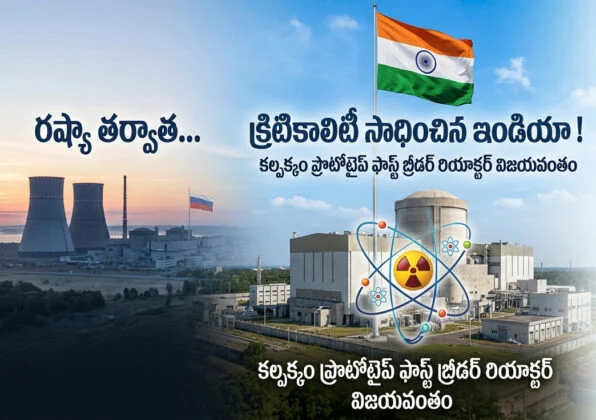
భారతదేశం అణు విద్యుత్ రంగంలో అరుదైన మైలురాయిని అధిగమించింది. తమిళనాడులోని కల్పక్కంలో ఉన్న Prototype Fast Breeder Reactor (PFBR) ఏప్రిల్ 6న విజయవంతంగా క్రిటికాలిటీని సాధించింది. దీనివల్ల రష్యా తర్వాత వాణిజ్య స్థాయిలో ఫాస్ట్ బ్రీడర్ రియాక్టర్ సాంకేతికతను కలిగిన రెండో దేశంగా భారత్ నిలవనుంది. అమెరికా, ఫ్రాన్స్, జపాన్ వంటి అభివృద్ధి చెందిన దేశాలు లక్షల కోట్లు ఖర్చు చేసినా సాధించలేని ఈ ఘనతను భారతీయ శాస్త్రవేత్తలు సుసాధ్యం చేసి చూపారు.
Strait of Hormuz : ప్రత్యామ్నాయ మార్గాలివే-ఇరాన్, కాదంటే Sea Minesతో ముప్పే! ఈ వార్తను కూడా చదవండి
హోమీ జహంగీర్ భాభా రూపకల్పన చేసిన మూడంచెల అణుశక్తి వ్యూహంలో ఈ రియాక్టర్ క్రిటికాలిటీ సాధించడం రెండో దశలోకి భారత్ అధికారికంగా ప్రవేశించడాన్ని సూచిస్తుంది. క్రిటికాలిటీ అంటే రియాక్టర్ బయటి సహాయం లేకుండా చైన్ రియాక్షన్ ద్వారా నిరంతరాయంగా శక్తిని ఉత్పత్తి చేసే స్థితికి చేరుకోవడం. ఈ రియాక్టర్ల ప్రత్యేకత ఏమిటంటే, ఇవి వినియోగించే ఇంధనం కంటే ఎక్కువ ఇంధనాన్ని (ప్లుటోనియం) ఉత్పత్తి చేస్తాయి. ఇది భారతదేశ పౌర అణుశక్తి ప్రయాణంలో ఒక చారిత్రాత్మక మలుపు అని ప్రధాని మోదీ ప్రశంసించారు.
థోరియం నిక్షేపాలతో ఇంధన స్వావలంబన
భారతదేశంలో యురేనియం నిల్వలు తక్కువగా ఉన్నప్పటికీ, ప్రపంచంలోనే అత్యధికంగా 25 శాతం థోరియం నిల్వలు మన వద్ద ఉన్నాయి. ఈ Prototype Fast Breeder Reactor ద్వారా థోరియంను యురేనియం-233గా మార్చి, భవిష్యత్తులో మూడో దశ అణు విద్యుత్ ఉత్పత్తికి మార్గం సుగమం అవుతుంది. దీనివల్ల రాబోయే 300 నుంచి 400 ఏళ్ల పాటు భారత్ విద్యుత్ అవసరాల కోసం ఇతర దేశాలపై ఆధారపడాల్సిన అవసరం ఉండదు.
లిక్విడ్ సోడియంను కూలెంట్గా ఉపయోగించే ఈ సాంకేతికత అత్యంత క్లిష్టమైనది. గతంలో అమెరికాలో ఫెర్మి-1, ఫ్రాన్స్లో సూపర్ఫినిక్స్, జపాన్లో మొంజు రియాక్టర్లు సాంకేతిక లోపాలు మరియు సోడియం లీకేజీల కారణంగా మూతపడ్డాయి. కానీ భారత్ అన్ని సవాళ్లను అధిగమించి ఈ విజయాన్ని అందుకుంది. ఈ ఏడాది చివరలో ఈ రియాక్టర్ ద్వారా వాణిజ్యపరంగా విద్యుత్ ఉత్పత్తి ప్రారంభం కానుంది, ఇది సుమారు 30 లక్షల ఇళ్ల విద్యుత్ అవసరాలను తీర్చగలదని అంచనా.
News Article (English)
India has achieved a monumental feat in nuclear technology as the Prototype Fast Breeder Reactor (PFBR) at Kalpakkam achieved criticality on April 6, 2026. This success places India alongside Russia as the only nations to successfully operate fast breeder reactors for commercial potential. While global powers like the US, France, and Japan invested billions only to abandon similar projects due to technical failures, India’s success marks a pivotal shift in its journey toward energy independence.
Strait of Hormuz : ప్రత్యామ్నాయ మార్గాలివే-ఇరాన్, కాదంటే Sea Minesతో ముప్పే! Also Read this Article
Achieving ‘criticality’ means the reactor has reached a state where it can maintain a nuclear chain reaction independently to produce steady energy. This marks India’s successful entry into the second stage of the three-stage nuclear power program envisioned by Dr. Homi J. Bhabha in the 1950s. Prime Minister Modi hailed this as a proud moment for the nation, emphasizing that it showcases India’s indigenous scientific prowess to the world.
Harnessing Thorium for a Sustainable Future
The significance of the Prototype Fast Breeder Reactor lies in its ability to generate more fuel than it consumes. By using a blanket of Thorium-232, the reactor converts it into fissile Uranium-233. This is crucial for India, which holds nearly 25% of the world’s Thorium reserves but has limited Uranium. This technology paves the way for the third stage of the nuclear program, potentially ensuring India’s power security for the next 300 to 400 years without depending on fossil fuel imports.
The Kalpakkam PFBR uses liquid sodium as a coolant, a complex technology that caused major disasters and shutdowns in the US (Fermi 1) and France (Superphenix) in the past. Despite these international precedents, Indian scientists have stabilized the process. Once commercial operations begin later this year, the reactor is expected to power nearly 3 million homes while simultaneously breeding fuel for future reactors, moving India closer to its goal of 100 GW of nuclear power by 2047.
#PrototypeFast BreederReactor #Kalpakkam #IndiaNuclearPower #HomiBhabha #ThoriumEnergy #CleanEnergy #MakeInIndia #NuclearScience #EnergyIndependence #ViksitBharat2047
Experienced sub-editor with a proven track record in major publications, specializing in sharp analytical pieces and deep-dive investigative journalism.