Mango Exports: మామిడి రైతులపై యుద్ధ ప్రభావం
mango farmers
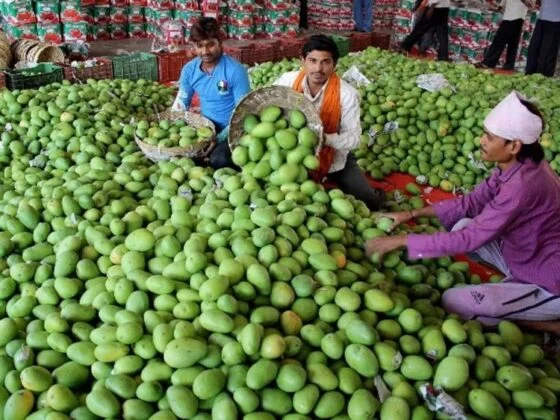
పశ్చిమాసియాలో, ముఖ్యంగా ఇరాన్ ప్రాంతంలో కొనసాగుతున్న యుద్ధ మేఘాలు భారతీయ మామిడి రైతులపై కోలుకోలేని దెబ్బ తీస్తున్నాయి. ప్రతి ఏటా ఏప్రిల్లో ఎంతో ఉత్సాహంగా సాగే Mango Exports ప్రస్తుతం తీవ్ర సంక్షోభంలో పడ్డాయి. ఇరాన్ హర్మూజ్ జలసంధిని దిగ్బంధించడం, ఎర్ర సముద్రంలో నెలకొన్న ఉద్రిక్తతల వల్ల నౌకలు సుదీర్ఘ మార్గాల్లో ప్రయాణించాల్సి వస్తోంది. దీనివల్ల ప్రయాణ సమయం పెరగడమే కాకుండా, మామిడి వంటి త్వరగా పాడైపోయే పండ్లను తరలించే ‘రీఫర్’ కంటైనర్ల కొరత తీవ్రంగా వేధిస్తోంది.
అతిపెద్ద DATA CENTRE.. శంకుస్థాపన ఎప్పుడంటే? ఈ వార్తను కూడా చదవండి
భారత్ తన మామిడి ఎగుమతుల్లో దాదాపు 45 శాతం గల్ఫ్ దేశాలకే పంపిస్తుంది. అయితే యుద్ధం కారణంగా సముద్ర రవాణా ఛార్జీలు కొన్ని మార్గాల్లో ఏకంగా 8 రెట్లు పెరిగాయి. కేవలం మార్చి నెలలోనే కంటైనర్ల ధరలు వెయ్యి డాలర్ల మేర పెరగడం ఎగుమతిదారులను విస్మయానికి గురిచేస్తోంది. సముద్ర మార్గం ఆలస్యం అవుతుండటంతో, ఎగుమతిదారులు విధిలేక విమాన రవాణాను ఆశ్రయిస్తున్నారు. సముద్ర మార్గంలో కేజీకి 80 రూపాయలు ఉండే ఖర్చు, విమాన మార్గంలో 300 రూపాయల వరకు పలుకుతుండటంతో లాభాలు ఆవిరవుతున్నాయి.
రైతులకు తప్పని ధరల సెగ
ప్రపంచ మామిడి ఉత్పత్తిలో 44 శాతం వాటా కలిగిన భారత్కు ఈ అంతర్జాతీయ పరిణామాలు పెద్ద శాపంగా మారాయి. ఎగుమతులు నిలిచిపోవడంతో ఆల్ఫాన్సో, కేసర్ మరియు తెలుగు రాష్ట్రాల్లో ప్రసిద్ధి చెందిన బంగినపల్లి రకాలు స్థానిక మార్కెట్లకే పరిమితమవుతున్నాయి. విదేశాలకు వెళ్లాల్సిన నిల్వలన్నీ దేశీయ మార్కెట్లకు మళ్లడంతో మామిడి ధరలు భారీగా పడిపోయే ప్రమాదం ఉంది. దీనివల్ల ఆంధ్రప్రదేశ్, మహారాష్ట్ర, ఉత్తరప్రదేశ్ రైతులు పెట్టిన పెట్టుబడి కూడా రాక ఆందోళన చెందుతున్నారు.
ఈ ప్రభావం కేవలం మామిడికే పరిమితం కాకుండా అరటి, ద్రాక్ష, ఉల్లి వంటి ఇతర ఉత్పత్తులపై కూడా పడింది. ముంబైలోని జేఎన్పీటీ (JNPT) ఓడరేవులో వందలాది కంటైనర్లు నిలిచిపోయి ఉన్నాయి. ప్రభుత్వం తక్షణమే స్పందించి రవాణా సబ్సిడీలు ప్రకటించకపోతే, ఈ సీజన్లో మామిడి రైతులకు భారీ నష్టాలు తప్పవని విశ్లేషకులు హెచ్చరిస్తున్నారు.
News Article (English)
The ongoing conflict in West Asia, particularly in the Iranian region, has cast a dark shadow over Indian Mango Exports this season. As the peak export month of April 2026 begins, exporters are facing an unprecedented crisis due to the blockade of the Strait of Hormuz and tensions in the Red Sea. Shipping lines are forced to take longer routes via the Cape of Good Hope, leading to a severe shortage of specialized ‘Reefer’ containers essential for transporting perishable fruits like mangoes.
India contributes nearly 44% of the world’s mango production, with 40-45% of its exports heading to Gulf countries. However, the war has caused shipping freights to skyrocket by up to eight times on certain routes. In March alone, reefer container charges increased by $1,000, and additional war-risk surcharges are making sea transport unviable. To honor existing orders, exporters are forced to use air freight, which is five to six times more expensive than sea transport.
Deep Impact on Indian Farmers
The crisis is not just limited to exporters; it is directly hitting farmers in states like Andhra Pradesh, Maharashtra, and Uttar Pradesh. Popular varieties such as Alphonso and Banginapalli, which command high prices in international markets, are now being diverted to local markets. This sudden glut is expected to crash domestic prices, leaving farmers unable to recover even their basic production costs.
Beyond mangoes, the export of bananas, grapes, onions, and seafood has also been crippled, with hundreds of containers stranded at Mumbai’s JNPT port. If the situation persists, India risks losing its competitive edge in the global market to other producing nations. Agricultural experts are calling for immediate government intervention and transport subsidies to mitigate the losses faced by the farming community.
#MangoExports #WestAsiaWar #FarmerCrisis #IndianAgriculture #Alphonso #Banginapalli #ShippingCrisis #GlobalTrade #ExportNews #MangoSeason2026
అతిపెద్ద DATA CENTRE.. శంకుస్థాపన ఎప్పుడంటే? ఈ వార్తను కూడా చదవండి

Experienced sub-editor with a proven track record in major publications, specializing in sharp analytical pieces and deep-dive investigative journalism.